The global construction industry is undergoing a significant transformation, shifting away from resource-heavy practices towards a more environmentally responsible approach. As urban populations continue to expand across the United Kingdom and beyond, the demand for new infrastructure places immense pressure on natural resources and local ecosystems. Sustainable construction has emerged as a vital solution to this challenge, focusing on minimising environmental impact while maximising energy efficiency and social well-being. By integrating eco-friendly materials and renewable energy systems, property developers and city planners are completely rethinking how modern neighbourhoods function. This shift is not just about reducing harm, but about actively regenerating the environments in which we live and work, setting a new standard for future generations.
The role of innovative building materials in modern architecture
Traditional building materials like conventional concrete and steel generate massive carbon footprints during their production and transportation phases. To combat this, the construction sector is increasingly adopting alternative materials such as cross-laminated timber, recycled steel, and low-carbon concrete. These innovative materials not only reduce greenhouse gas emissions but also offer exceptional durability and thermal insulation. Furthermore, utilising locally sourced materials significantly cuts down on transport emissions, supporting regional economies while aligning with strict environmental targets. Architects are now designing buildings with the entire lifecycle of these materials in mind, ensuring that when a structure eventually reaches the end of its usefulness, its components can be safely dismantled and reused rather than discarded.
Energy efficiency and smart technology integration
Energy consumption remains a primary concern for newly developed communities, making smart technology an essential component of sustainable building designs. Modern structures are now equipped with intelligent building management systems that automatically regulate lighting, heating, and cooling based on real-time occupancy and weather conditions. High-performance insulation and energy-efficient windows further reduce the reliance on artificial climate control, drastically lowering utility costs for residents. Solar panels and wind turbines are also being integrated directly into the architectural fabric of new developments, transforming everyday buildings into independent power generators. This integration of renewable energy sources means that some modern communities are now capable of producing more energy than they consume, feeding clean electricity back into the national grid.
Water conservation and waste management strategies
Effective water management is another cornerstone of building greener communities, particularly in areas susceptible to drought or heavy rainfall. Sustainable construction projects frequently incorporate rainwater harvesting systems and greywater recycling networks, which capture and treat water for non-potable uses such as landscaping and sanitation. Simultaneously, construction sites are implementing rigorous waste reduction protocols to divert excess materials away from landfills. By adopting a circular economy mindset, contractors repurpose offcuts and recycle demolition debris, ensuring that raw materials are utilised to their maximum potential. The careful management of water and waste throughout both the construction phase and the building's operational life dramatically reduces the ecological footprint of new residential and commercial developments.
Designing for community health and biodiversity
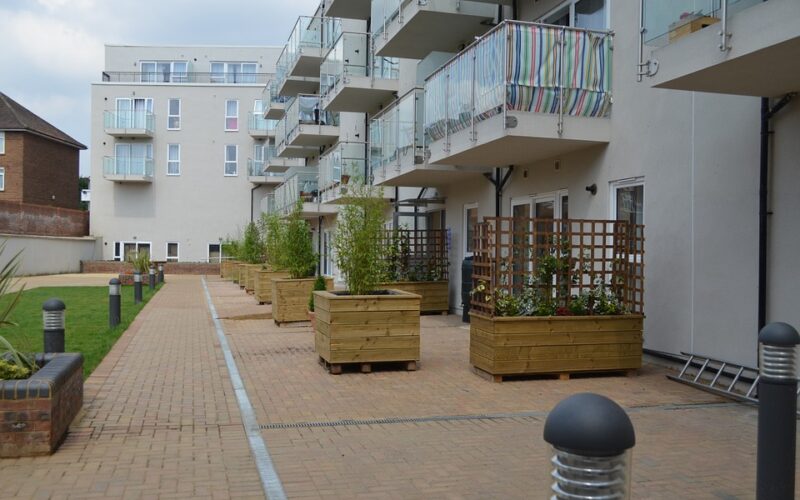
A truly sustainable community goes beyond individual green buildings to encompass the health of the surrounding environment and its inhabitants. Urban planners are prioritising the inclusion of green roofs, living walls, and expansive public parks, which serve to mitigate the urban heat island effect and improve local air quality. These natural spaces also provide crucial habitats for urban wildlife, promoting biodiversity within densely populated areas. Creating pedestrian-friendly zones and extensive cycle networks further encourages active transport, reducing vehicle emissions while fostering a stronger sense of community connection.
Moving towards a sustainable urban future
The transition towards sustainable construction is no longer an optional upgrade but a fundamental necessity for future urban development. As government regulations tighten and public awareness regarding climate change grows, the property sector must continue to innovate and embrace green building standards. By prioritising eco-friendly materials, energy-efficient technologies, and biodiversity, the industry can create resilient communities that thrive in harmony with the natural world. Ultimately, investing in sustainable construction today guarantees a healthier environment for generations to come. The initial investments required for green technologies are rapidly offset by long-term savings.