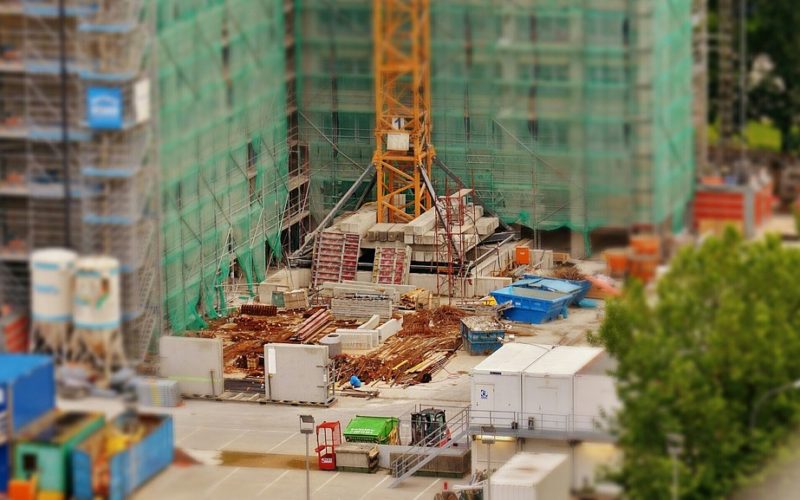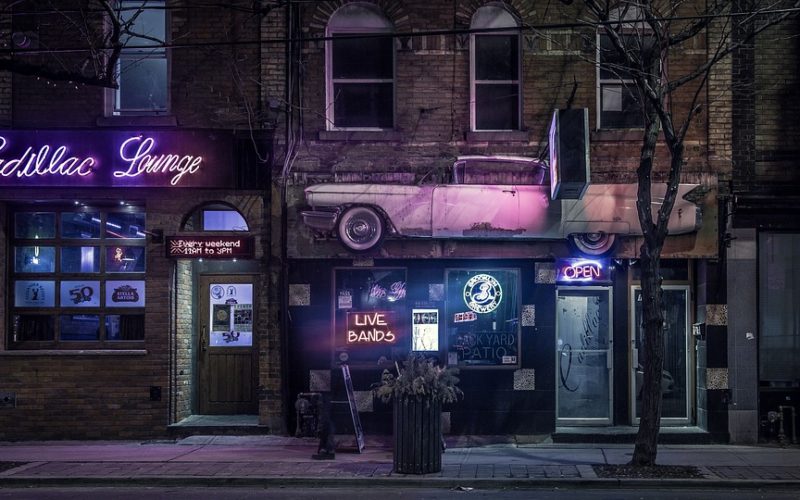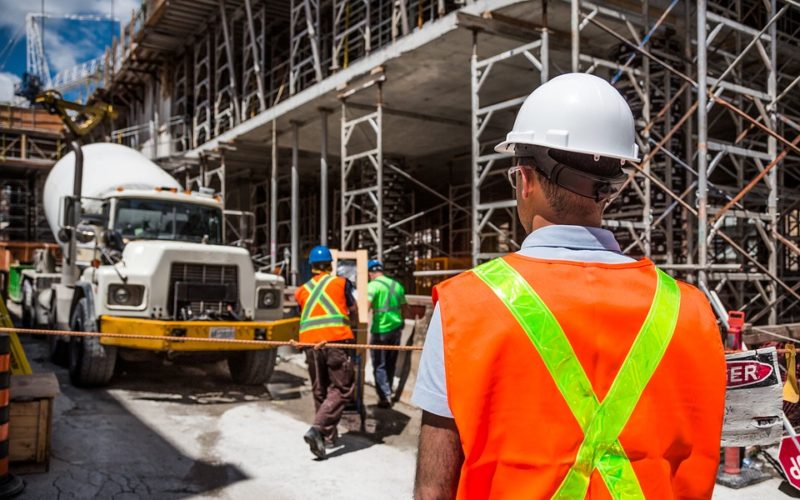
Urban renewal is the process of redeveloping run-down or underused areas of a city to improve infrastructure, housing, and economic activity. It can take many forms — from converting derelict warehouses into residential lofts to building new transport links that connect neglected neighbourhoods to city centres. Governments, private developers, and community organisations all play a role, and the financial stakes are enormous.
The economics behind regeneration
At its core, urban renewal is a property play. When public investment flows into a struggling area — whether through new schools, parks, or transit — private capital tends to follow. Land values rise, new businesses move in, and the tax base expands. Cities like Manchester and Melbourne have demonstrated how targeted regeneration spending can generate returns that far exceed the initial outlay. The challenge is ensuring those gains are distributed fairly rather than concentrated in the hands of a few developers.
Who funds urban renewal projects?
Funding typically comes from a blend of public and private sources. Central and local governments often provide grants or tax incentives to attract developers to high-risk areas. Private equity firms, real estate investment trusts, and impact investors have increasingly entered the space, drawn by the prospect of long-term returns. In some cases, community land trusts and housing associations play a key role, ensuring that affordability is built into the development model rather than added as an afterthought.
The gentrification dilemma
Urban renewal's most persistent controversy is gentrification — the process by which rising property values displace lower-income residents and businesses. Critics argue that many regeneration projects prioritise profit over people, effectively pricing out the communities they claim to serve. Proponents counter that without investment, neglected areas remain trapped in cycles of poverty and decay. The tension is real, and resolving it requires more than good intentions. Policies such as affordable housing quotas, rent controls, and community benefit agreements can help strike a better balance.
Technology's growing role
Smart city technology is reshaping how urban renewal projects are planned and delivered. Data analytics help planners identify which areas need investment most urgently, whilst digital consultation tools allow residents to participate in decision-making processes that were once dominated by developers and bureaucrats. Some cities are also experimenting with blockchain-based land registries and tokenised property investment, which could lower barriers to entry for smaller investors and improve transparency across the board.
Measuring success beyond profit
Financial returns are an obvious metric, but successful urban renewal is measured by much more. Employment rates, public health outcomes, environmental sustainability, and community wellbeing all matter. The most effective projects take a holistic view, treating regeneration as a social investment rather than a purely commercial one. Cities that take this broader approach — Copenhagen's harbour renewal and Singapore's public housing programme are often cited as examples — tend to produce more resilient, liveable urban environments over the long term.
The road ahead for urban renewal
As populations continue to concentrate in cities, the pressure to regenerate ageing infrastructure and repurpose obsolete spaces will only intensify. The business of urban renewal is not going away — if anything, it is becoming more complex and more consequential. Getting it right demands collaboration between governments, developers, communities, and investors who are willing to look beyond the next quarterly report. The cities that manage this balancing act well will be better placed to attract talent, sustain growth, and offer a decent quality of life for all their residents.